

Traditional Agricultural Nets vs. Smart Agricultural Nets: A New Era in Farming Efficiency
As agriculture continues to adapt to modern challenges, the tools that farmers use are evolving rapidly. Among these advancements, agricultural nets have seen a significant transformation. This article compares traditional agricultural nets with their smart counterparts, focusing on efficiency, cost-effectiveness, and other critical factors to highlight the benefits of embracing smart technology in farming.
Efficiency
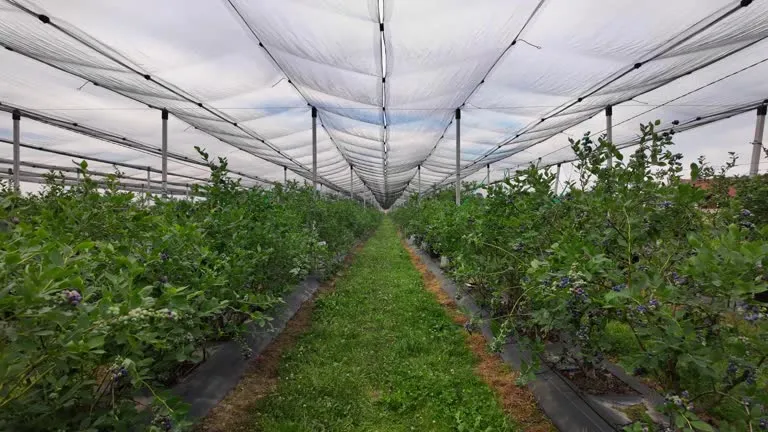
Traditional Agricultural Nets: While effective in providing shade and pest control, traditional nets offer limited adaptability. Farmers often have to rely on manual labor to adjust or reposition these nets, consuming time and resources. Their static design means they cannot respond to changing weather conditions or specific crop needs.
Smart Agricultural Nets: In contrast, smart agricultural nets leverage technology to enhance efficiency. Equipped with sensors and automated systems, these nets can adjust their positions based on real-time weather data, optimizing light exposure and airflow. This adaptability not only improves crop health but also reduces labor efforts, allowing farmers to focus on other critical tasks.
Costs
Traditional Agricultural Nets: The initial investment in traditional nets may seem lower, but they often necessitate additional expenses for maintenance and labor. Over time, the lack of durability can lead to frequent replacements, escalating costs for farmers.
Smart Agricultural Nets: Although smart nets may have a higher upfront cost, their long-term benefits often outweigh initial investments. By reducing labor costs and minimizing the need for replacements due to their advanced materials and design, these nets can lead to significant savings over time. Additionally, the increased crop yields associated with smart nets provide a considerable return on investment.
Other Considerations
Sustainability: Traditional nets are usually made from conventional materials that can be harmful to the environment. In contrast, many smart agricultural nets are produced using sustainable practices and materials, aligning with the growing demand for eco-friendly farming solutions.
Data Insights: Smart agricultural nets offer unparalleled benefits through data collection. By monitoring conditions such as temperature, humidity, and crop health, these nets can provide farmers with actionable insights, enabling them to make informed decisions that enhance productivity.
Market Competitiveness: Embracing smart agricultural nets allows farmers to stay competitive in a rapidly changing market. As consumer demand for sustainably grown produce rises, using innovative technology can distinguish farmers as leaders in quality and environmental responsibility.
Conclusion
In the face of modern agricultural challenges, the transition from traditional agricultural nets to smart agricultural nets is not just a trend—it's a necessity. With remarkable advantages in efficiency, cost-effectiveness, sustainability, and data-driven insights, smart agricultural nets represent the future of farming. Invest in innovation today, and reap the rewards of a more productive and sustainable agricultural practice tomorrow. As the industry evolves, those who adapt will thrive—don’t get left behind!